The Rebirth of Main Street: Why One Young Restaurateur's Bet on Downtown Evanston Matters
If you take a step back and think about how cities evolve, you realize that neighborhood commercial districts are living, breathing ecosystems. They constantly shed old skin to make room for new growth, much like the way a historic thoroughfare reacts when a long-standing culinary institution finally closes its doors. What makes this particularly fascinating is how real estate transitions tell a deeper story about generational change, immigrant hustle, and the quiet resilience of the American high street. One thing that immediately stands out to me is how a single vacant storefront can spark a completely new chapter for a community.
The Weight of Footsteps and Family Legacies
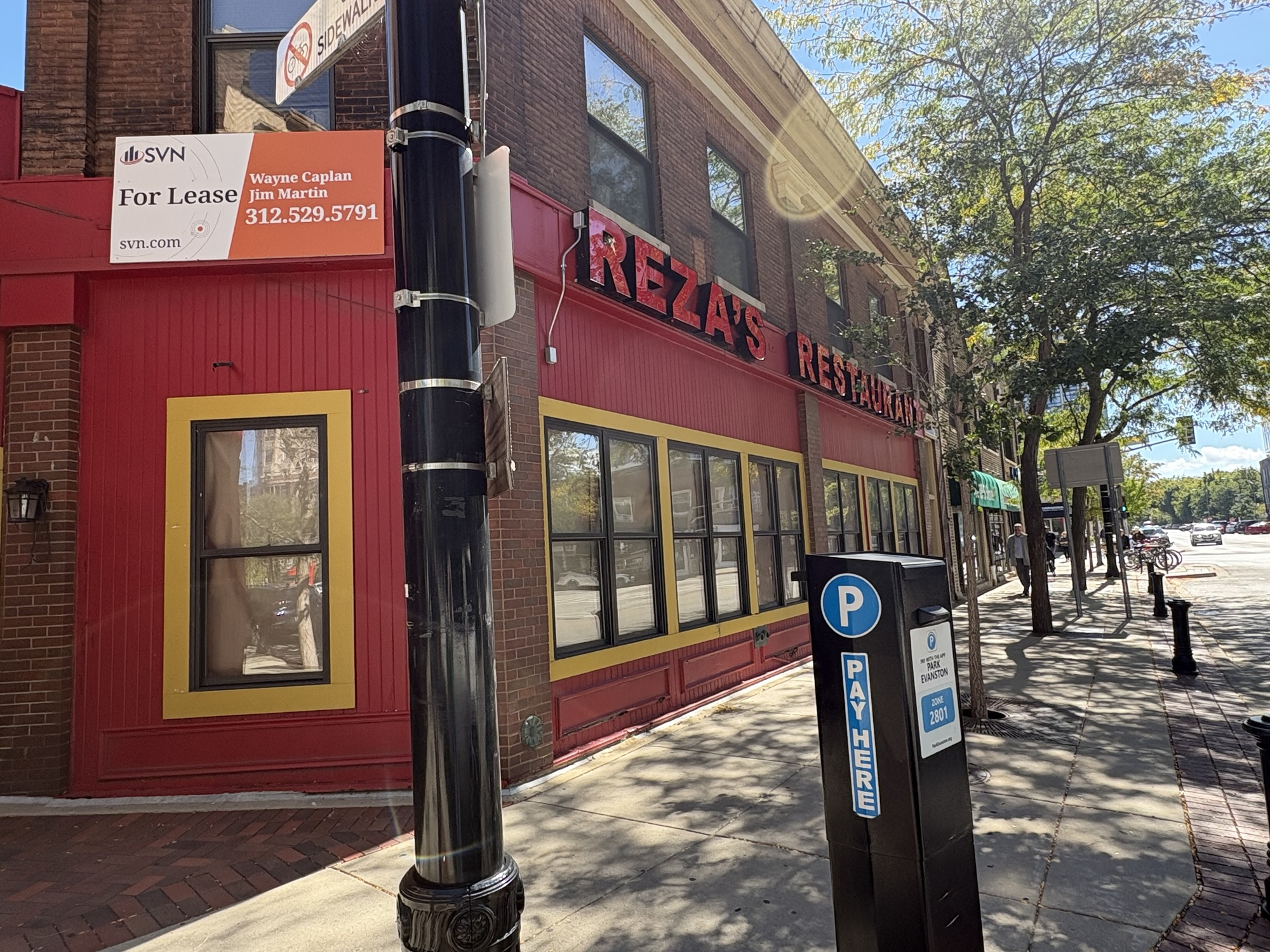
When a massive, legendary space like the former Reza's Restaurant and Lounge in downtown Evanston goes dark, it leaves a cavernous void that feels almost intimidating for any newcomer to fill. Yet, entrepreneur Carlos Arechiga is stepping into that exact footprint at just 31 years old to launch his solo debut, Boca Brava. From my perspective, what is so compelling here isn't just the business logistics—taking over roughly 7,000 square feet of a 10,000-square-foot behemoth—it is the generational parallel. Growing up working alongside a father who immigrated from Mexico at sixteen and built his own restaurant empire by thirty, Arechiga is literally living out a family blueprint. In my opinion, this kind of multi-generational work ethic is the invisible engine driving modern urban dining. People often look at a trendy new eatery and see only the sleek interior design, completely missing the decades of sweat, kitchen scars, and familial sacrifice baked into the foundation.
Carving Up Space and Reinventing Neighborhood Identity
The physical division of the old Reza's property—splitting it to accommodate both Boca Brava and a returning Giordano's location—highlights a massive trend in contemporary commercial real estate: the death of the single-use dinosaur. Cities today demand flexibility, variety, and micro-destinations that draw different crowds for different moods. What many people don't realize is how much architectural and bureaucratic friction goes into carving up these older buildings, from rerouting main entrances to navigating endless city permit applications. Personally, I think this friction is a healthy filter that weeds out half-baked concepts and leaves room for operators with genuine vision. When an owner talks about capturing the vibrant energy of Guadalajara alongside Mexico City street culture, it signals a shift away from generic Americanized menus toward regional authenticity. This evolution tells me that diners are becoming far more sophisticated, demanding stories and heritage on their plates rather than just comfort food.
The Bigger Picture of Urban Resilience
This whole transition touches on a broader economic reality: downtown areas are aggressively reinventing themselves post-pandemic, trading old-school stalwarts for nimble, energetic concepts. When long-standing anchors like Reza's close after decades—first in Andersonville and then in Evanston—it feels like the end of an era, but it actually opens up space for youthful ambition to take root. What this really suggests is that urban vitality doesn't come from preserving the past in amber; it comes from passing the torch to a new guard who views the city with fresh eyes. If you look closely at how downtown districts are adapting, you see a clear movement toward experiential dining where the owner's personal journey matters just as much as the food. Boca Brava isn't just another restaurant opening up in a college town; it is a testament to ambition meeting opportunity at the exact right intersection of time and place.