The Rising Tide of Unemployment: A Complex Economic Puzzle
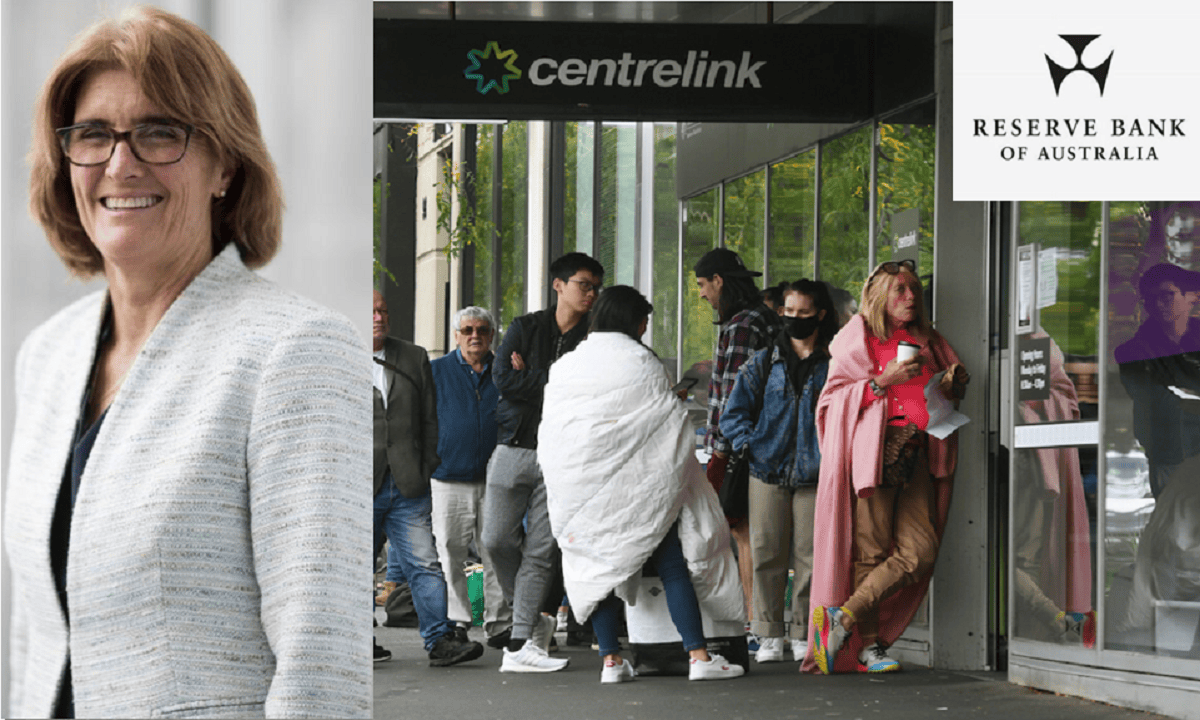
In a recent statement, Reserve Bank governor Michele Bullock has sparked a conversation about the delicate balance between unemployment and inflation in Australia. With a potential rise in the unemployment rate to 5%, up from the current 4.6%, the economic landscape is set to undergo a significant shift.
Unemployment as a Tool for Economic Management
The idea of intentionally increasing unemployment to tackle inflation might seem counterintuitive at first. However, Bullock's perspective sheds light on the intricate relationship between labor market dynamics and overall economic health. By allowing unemployment to rise, the Reserve Bank aims to alleviate the strain on production, which is currently under pressure due to high demand and stagnant productivity growth.
Job Vacancies: A Telling Indicator
The Australian Bureau of Statistics (ABS) has provided a glimpse into the evolving job market with its recent release of job vacancy data for the August quarter of 2026. A notable decline of 0.9% over the quarter and 1.4% year-on-year to 325,000 vacancies suggests a cooling off in the job market. This data point is a critical indicator of the broader economic narrative.
Deeper Implications and Trends
The potential rise in unemployment raises several intriguing questions. How will this impact consumer confidence and spending patterns? Will it lead to a shift in the skill sets demanded by employers, potentially reshaping the education and training landscape? Moreover, the psychological impact of rising unemployment on individuals and communities cannot be overlooked.
A Step Towards a Balanced Economy
In my opinion, the Reserve Bank's strategy reflects a proactive approach to managing the economy. By addressing inflationary pressures early on, policymakers aim to prevent more severe economic disruptions down the line. This move showcases a commitment to long-term economic stability, even if it means short-term adjustments in the labor market.
The Human Element
What many people don't realize is the human cost of these economic decisions. While unemployment rates are a crucial metric, they often fail to capture the individual stories of job loss and the subsequent impact on livelihoods. It's essential to consider the broader social and emotional implications of such shifts in the labor market.
A Global Perspective
Australia's economic decisions have implications that extend beyond its borders. As the world navigates a complex post-pandemic economic landscape, the choices made by central banks and governments can set precedents and influence global economic trends. Australia's approach to managing unemployment and inflation will be closely watched by other nations facing similar challenges.
Conclusion: A Delicate Balance
The potential rise in unemployment in Australia is a strategic move aimed at maintaining economic stability. While it presents challenges, it also offers an opportunity to reflect on the broader implications of economic policy decisions. As we navigate this complex landscape, it's crucial to consider the human stories behind the numbers and the long-term impact on society as a whole.